Fraud
How the Revolut data breach happened
How a compromised Italian government email account led Revolut to disclose 680 customer files, what is confirmed, and what would have caught it.
Read more →
Perspectives on secure data request handling, compliance, and the regulatory landscape.
How a compromised Italian government email account led Revolut to disclose 680 customer files, what is confirmed, and what would have caught it.
Read more →
A step-by-step guide to handling police requests for customer data: how to verify the request, work out whether you must comply, and stay within the GDPR.
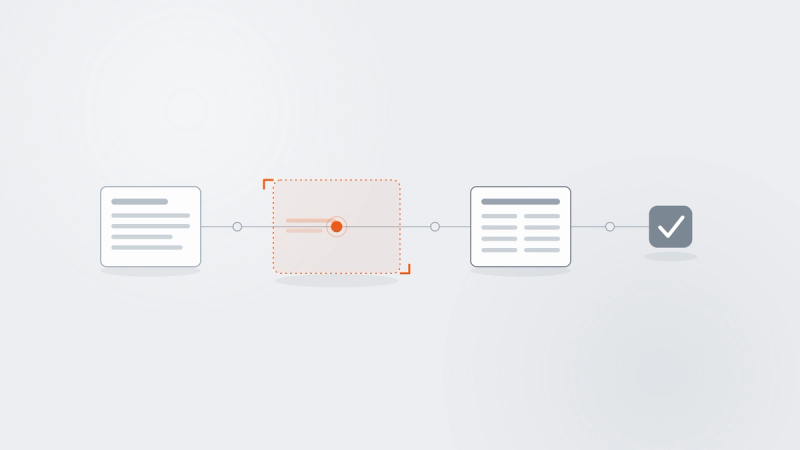
The FATF's 2026 report on public–private partnerships quietly assumes organizations already have the operational capability it asks them to use. A reflection on the layer between policy and governance.

You can't see an orphaned capability directly — only the traces it leaves. A field guide of six recognitions for spotting work that everyone does and no one owns.

The police can ask a company for data, but a request isn't an order. When you have to comply, when you may share voluntarily, and how to stay within the GDPR.

Most operational capabilities are built on purpose; a few are never decided at all. Why answering authority requests can stay undesigned for decades — and why that is starting to change.

What are asset freezing and confiscation, and what can government authorities do? Under new EU rules, property can be confiscated even without a conviction. A guide for companies.

When police, prosecutors or the FIU request customer data, an EU financial firm must comply without breaching the GDPR. What the law requires, and how to handle it.

From 10 July 2027, crypto-asset service providers (CASPs) become obliged entities under the AMLR. What Article 75 allows CASPs to share, who can take part, and what is still unsettled.